Mastering the Essentials of Finish Carpentry Techniques
- Maison Nad
- May 18
- 4 min read

When you want to add that perfect touch to your home or project, mastering finish carpentry techniques is key. It’s the art of refining and detailing woodwork to create beautiful, polished results. Whether you’re installing custom cabinets, molding, or trim, knowing the essentials will help you achieve professional-quality work. I’ll guide you through the basics, share practical tips, and explain important differences you need to know.
Understanding Finish Carpentry Techniques
Finish carpentry is all about the details. It involves the final touches that make a space look complete and elegant. This includes installing baseboards, crown molding, window casings, door frames, and custom cabinetry. The goal is to create smooth, seamless joints and clean lines that enhance the overall design.
Here are some key techniques to focus on:
Measuring and Cutting Precisely: Accurate measurements are crucial. Use a miter saw for angled cuts and a coping saw for intricate joints.
Fitting and Joining: Learn to use nails, screws, and wood glue effectively. Countersink nails and fill holes with wood putty for a flawless finish.
Sanding and Finishing: Sand edges and surfaces smoothly before applying paint or stain. This step ensures a professional look.
Installing Trim and Molding: Use a level and a nail gun to secure trim. Pay attention to corners and joints for tight fits.
Mastering these techniques will help you create custom woodworking solutions that stand out for their craftsmanship and beauty.
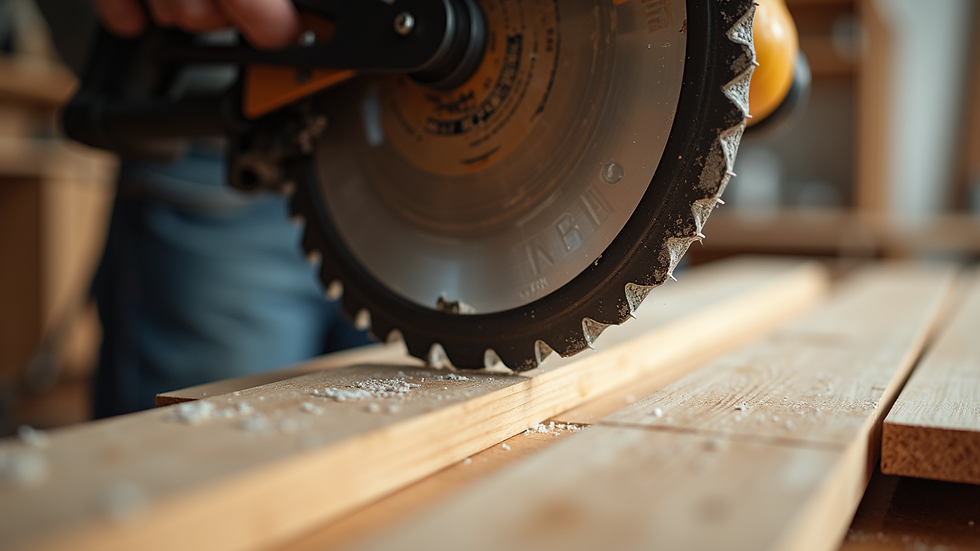
Essential Tools for Finish Carpentry Techniques
Having the right tools makes all the difference. You don’t need a huge workshop, but investing in quality tools will save time and improve results. Here’s a list of essentials:
Miter Saw - For accurate angled cuts on trim and molding.
Coping Saw - Perfect for cutting intricate shapes and joints.
Nail Gun - Speeds up installation and ensures secure fastening.
Measuring Tape and Square - For precise measurements and right angles.
Wood Chisels - Useful for fine adjustments and cleaning joints.
Sanding Block or Electric Sander - To smooth surfaces before finishing.
Clamps - Hold pieces steady while glue dries.
Wood Putty and Caulk - Fill gaps and nail holes for a seamless look.
Using these tools properly will help you work efficiently and produce high-quality finishes.
What is the difference between rough and finish carpentry?
Understanding the difference between rough and finish carpentry is important for any woodworking project. Rough carpentry focuses on the structural framework of a building. This includes framing walls, floors, and roofs. It’s about strength and stability, not appearance.
Finish carpentry, on the other hand, is the final stage. It’s about aesthetics and detail. This work includes installing doors, windows, trim, and cabinetry. The goal is to make everything look polished and refined.
Here’s a quick comparison:
| Aspect | Rough Carpentry | Finish Carpentry |
|---------------------|--------------------------------|---------------------------------|
| Purpose | Structural support | Decorative and functional finish|
| Materials | Framing lumber, plywood | Hardwood, trim, molding |
| Tools | Saws, hammers, nail guns | Miter saws, coping saws, chisels|
| Skill Focus | Strength and accuracy | Precision and detail |
| Visibility | Usually hidden behind walls | Visible and decorative |
Knowing this difference helps you plan your project and choose the right skills and tools for each phase.

Tips for Perfecting Your Finish Carpentry Work
To truly master finish carpentry, attention to detail is everything. Here are some tips I’ve found invaluable:
Take Your Time Measuring: Measure twice, cut once. Double-check every measurement before cutting.
Practice Miter and Coping Joints: These joints are common in trim work. Practice cutting and fitting them to get tight, clean corners.
Use Painter’s Tape for Clean Paint Lines: When painting trim, tape off edges to avoid messy overlaps.
Fill and Sand Nail Holes Smoothly: Use wood putty, let it dry, then sand flush for an invisible repair.
Work in a Well-Lit Space: Good lighting helps you spot imperfections early.
Keep Your Tools Sharp and Clean: Sharp blades and clean tools make smoother cuts and reduce splintering.
Test Fit Before Final Installation: Dry fit pieces to check alignment and fit before nailing or gluing.
These small steps add up to a professional finish that will impress anyone who sees your work.
Choosing the Right Wood for Your Project
Wood selection plays a big role in the final look and durability of your finish carpentry. Here are some common choices and their benefits:
Pine: Affordable and easy to work with. Great for painted trim.
Oak: Strong and durable with a beautiful grain. Ideal for stained finishes.
Maple: Hard and smooth, perfect for fine cabinetry.
Cherry: Rich color and smooth texture, excellent for high-end projects.
Poplar: Affordable and takes paint well, often used for painted moldings.
Consider the style of your home and the finish you want. For example, if you plan to paint your trim, pine or poplar are good choices. For natural wood finishes, oak or cherry add warmth and character.
Bringing It All Together in Your Space
When you apply these finish carpentry techniques, you transform a room. Custom cabinets fit perfectly, trim lines are crisp, and every detail feels intentional. This level of craftsmanship elevates your home’s style and value.
If you’re working on a project in North Vancouver, focus on quality and precision. Use the right tools, choose the best materials, and take your time with each step. The results will be worth it.
For those looking to go beyond DIY, partnering with experts who specialize in finish carpentry can ensure your vision comes to life flawlessly. Their experience with custom woodworking solutions can help you achieve the perfect balance of beauty and function.
Mastering these essentials opens the door to creating stunning woodwork that lasts. Whether you’re installing new trim or crafting custom cabinets, the right techniques and tools make all the difference. Start with the basics, practice regularly, and watch your skills grow. Your home deserves that perfect finish.


Comments